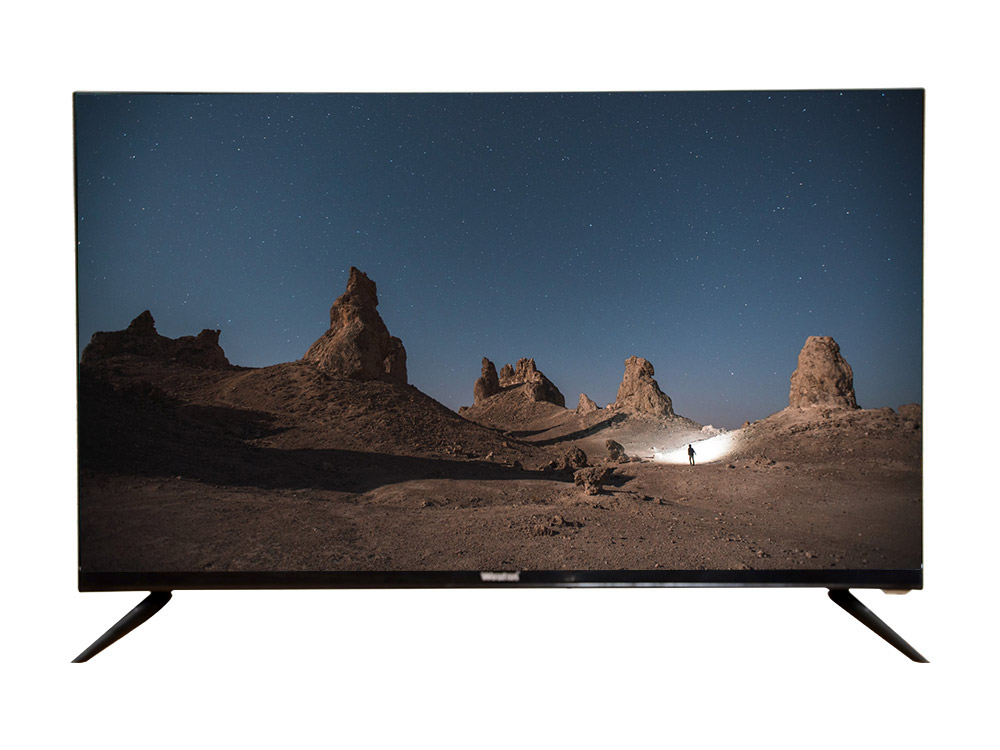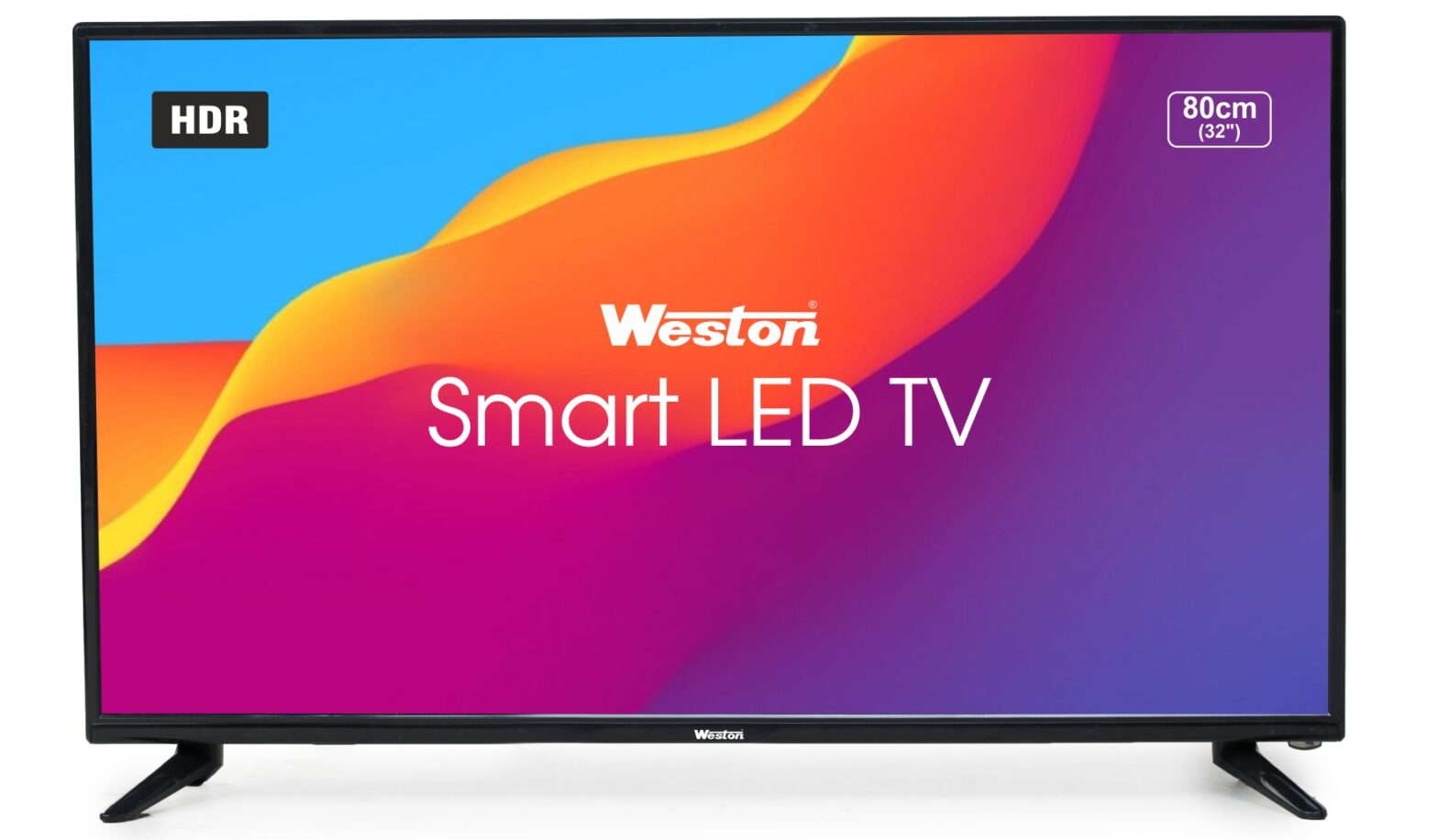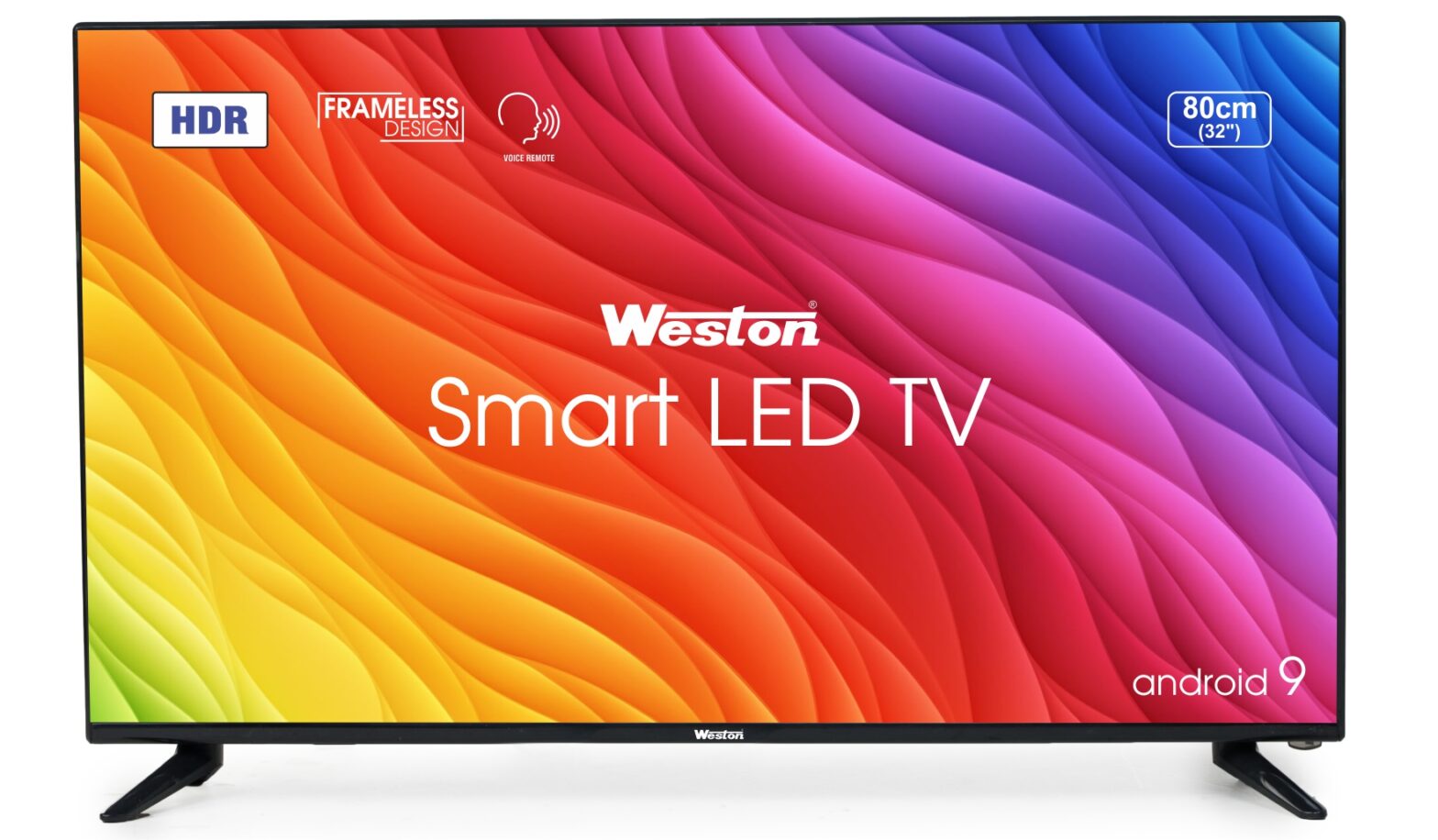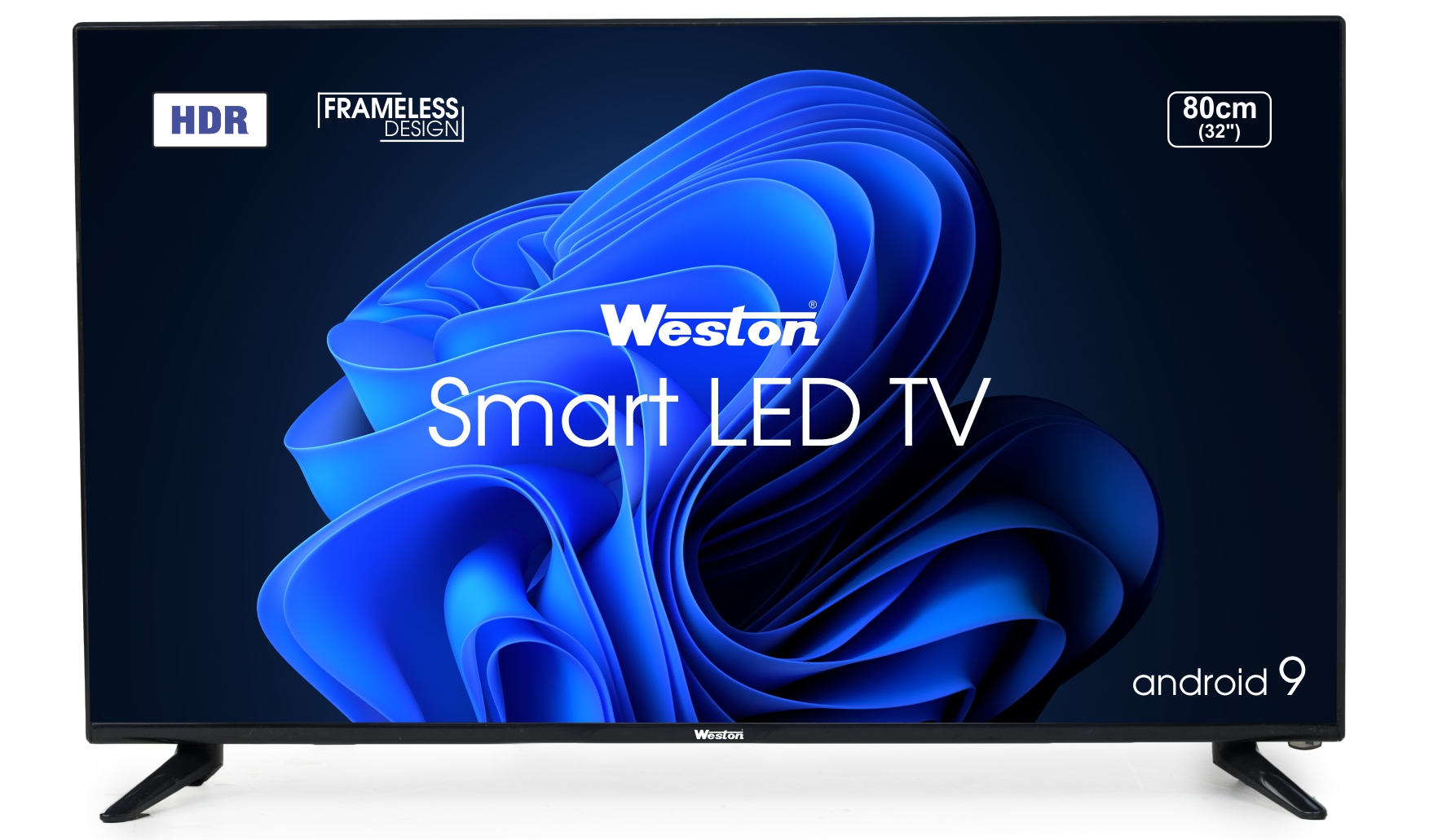
LED TV – 32” Smart
- Model No.: T5000 EF8
- Bezel: With & without both
- Category: Smart
- Video Mode: HD Ready
- Panel Grade: A+
- Remote: Yes
- Year of Launch: 2022
The "HMN" code can be found in other fields as well:
The potential applications of HMN-384 are vast and varied, with implications for multiple industries and fields. Some of the most promising areas of research include:
Alphanumeric codes formatted similarly to HMN-384 are heavily integrated into international media databases. HMN-384
The system allows for the summation of currents from multiple cells (e.g., four) captured in each well.
The in vivo antitumor activity of HMN-384 was evaluated in a MDA-MB-231 xenograft model and a patient-derived xenograft (PDX) model derived from a TNBC patient resistant to standard chemotherapy. The "HMN" code can be found in other
| Criterion | Assessment | |-----------|------------| | | The 24‑bit resolution combined with 2 MS/s per channel is among the best in class for dense DAQ. Latency is low enough for closed‑loop control in aerospace testing. | | Scalability | Modular mezzanine design lets users upgrade only the needed blocks (e.g., add more FPGA capacity). Chassis can be daisy‑chained via 10 GbE for multi‑unit systems up to 1536 channels. | | Reliability | IP‑67 rating and hot‑swap power make it suitable for field and mission‑critical environments. MTBF (mean‑time‑between‑failure) is quoted at 120,000 h (≈ 13.7 years). | | Ease of Integration | The extensive SDK and support for popular environments (LabVIEW, Python) reduce development time. However, mastering the FPGA mezzanine may require specialized knowledge. | | Cost | List price (2024) for a fully‑populated unit: USD 78,500 . This is higher than lower‑density competitors but justified by channel density and ruggedization. |
Abstract The rapid convergence of artificial intelligence, edge computing, and neuromorphic engineering has created a fertile ground for a new class of processors that blend the flexibility of digital logic with the efficiency of brain‑inspired architectures. Among the most ambitious proposals emerging from this landscape is the , a modular hyper‑neural processor designed to deliver petaflop‑scale inference at sub‑watt power budgets. This essay examines the conceptual underpinnings of the HMN‑384, its architectural innovations, potential application domains, and the broader societal implications of deploying such a technology at scale. The in vivo antitumor activity of HMN-384 was
Digital entertainment platforms use these codes to catalog video media, short-form streaming clips, and promotional assets across global distribution networks.
While HMN-384 holds significant promise, there are challenges to be addressed. One of the primary concerns is the potential for off-target effects or toxicity, which must be carefully evaluated in clinical trials. Additionally, the development of resistance to HMN-384 could limit its long-term effectiveness. Researchers are working to mitigate these risks by optimizing the compound's design and developing strategies to monitor and manage potential side effects.
Neuromorphic processors present a . Because spikes are event‑driven, adversaries could inject malicious spike patterns to manipulate model outputs—a form of spike poisoning . The HMN‑384 architecture mitigates this risk through: